The by-elections of 23 November 2025, held across thirteen constituencies, six National Assembly and seven Punjab Assembly seats, marked an important moment in Pakistan’s political trajectory. While these polls were necessitated by vacancies created following the disqualification of several lawmakers convicted in relation to the 9 May 2023 incidents, their outcomes were shaped far more by voter assessment of governance and performance than by the circumstances that led to the seats falling vacant.

In an environment where the Pakistan Tehreek-e-Insaf (PTI) anticipated a sympathy-driven electoral response following the incarceration of its leader, the electorate instead delivered a decisive verdict in favour of stability, service delivery, and administrative continuity. The Pakistan Muslim League–Nawaz (PML-N) emerged with a commanding majority, reinforcing the view that Pakistani voters, particularly in Punjab, are increasingly prioritising performance over protest.
The November 2025 by-elections were a clear endorsement of governance, stability, and delivery. Voters chose performance over sympathy, continuity over disruption, and institutional functionality over agitation.
The events of 9 May represented one of the most unsettling episodes in Pakistan’s recent political history. Attacks on military installations following the arrest of the PTI chairman disrupted public order and prompted a strong institutional response. Subsequent legal proceedings, investigations, and electoral scrutiny resulted in the disqualification or inactivity of several lawmakers who failed to disassociate themselves from the violence.
These developments led to multiple seats becoming vacant, particularly in Punjab, making by-elections unavoidable.
The by-elections and constituency details
The Election Commission of Pakistan (ECP), through its 19 November 2025 notice, reiterated the legal obligations of candidates under Section 182 of the Elections Act 2017, emphasising lawful campaigning and public order. The polling process was conducted under heightened security and oversight, remaining largely peaceful and orderly.
The by-elections were held in the following constituencies:
National Assembly (NA):
NA-18 Haripur
NA-96 Faisalabad-II
NA-104 Faisalabad-X
NA-129 Lahore-XIII
NA-143 Sahiwal-III
NA-185 Dera Ghazi Khan-II
Punjab Assembly (PP):
PP-73 Sargodha-III
PP-87 Mianwali-III
PP-98 Faisalabad-I
PP-115 Faisalabad-XVIII
PP-116 Faisalabad-XIX
PP-203 Sahiwal-VI
PP-269 Muzaffargarh-II
Out of these thirteen seats, the ruling PML-N secured all but one, which went to the Pakistan People’s Party (PPP). FAFEN observed that the by-elections were largely peaceful and well-managed. The results underscored a significant shift in political ground realities, particularly in Punjab, where governance performance appears to have overtaken political sentiment as the primary determinant of voter behaviour.
Vote for performance
Conventional political wisdom suggested that the PTI would benefit from public sympathy due to the incarceration of its leader. However, the by-election outcomes demonstrated the limits of sympathy-based politics when weighed against lived governance experience.
Voters distinguished between emotional identification and practical decision-making. Rather than responding to narratives of victimhood or confrontation, they evaluated which political force had delivered relative stability, economic relief, and functional administration. The by-elections thus reflected a maturing electorate that increasingly demands outcomes rather than slogans.
Economic stability
At the federal level, the PML-N government under Prime Minister Shehbaz Sharif has focused on stabilising an economy that had been pushed to the brink by inflation, currency volatility, and unsustainable interest rates. Instead of announcing new mega-projects, the administration prioritised macroeconomic correction.
Inflation, once entrenched in double digits, has been brought down significantly, while the policy interest rate has fallen from a peak of 22 per cent to nearly 10.5 per cent. Exchange rate volatility has been reduced, creating a more predictable environment for businesses and consumers alike. These measures, while gradual, restored a degree of confidence that had been absent for years.
Equally significant has been Pakistan’s diplomatic re-engagement. By rebuilding working relationships with Gulf countries, China, and international financial institutions, the federal government focused on credibility rather than premature claims of investment inflows. Strong remittance flows, approximately $38 billion, played a crucial role in offsetting a sizeable trade deficit in goods, enabling Pakistan to meet external payment obligations and avoid default during a critical phase.
Punjab’s governance and delivery
While federal policy stabilised the macroeconomic environment, it was Punjab’s government under Chief Minister Maryam Nawaz Sharif that translated governance into everyday impact. In by-election constituencies, voters encountered a governance model that was service-oriented, technology-driven, and visibly responsive.

Punjab’s flagship initiatives addressed multiple dimensions of public welfare. The Dastak programme transformed service delivery by bringing essential government documentation to citizens’ doorsteps, reducing bureaucratic delays and corruption. Healthcare access expanded through field hospitals and clinics on wheels, while education reforms combined merit-based support through the Honhaar Scholarship Programme with social protection initiatives such as school meal schemes.
Economic inclusion was reinforced through agricultural programmes like the High-Tech Farm Mechanisation Finance initiative and the Grow More Wheat programme, strengthening rural livelihoods and food security. Youth employment and skills development received a boost through the Chief Minister’s IT Internship Programme, while eBiz Punjab streamlined regulatory processes to facilitate ease of doing business.

Urban and environmental concerns were addressed through the launch of e-bikes, electric taxis, and e-buses, alongside the Free Solar Panel Scheme aimed at reducing household energy costs. Social protection measures, including the CM Punjab Minority Card and the Apni Zameen Apna Ghar housing initiative, broadened the welfare net. In flood-affected regions, the Wazir-e-Aala Punjab Sailab Bahali Programme 2025 focused on rehabilitation and recovery, reinforcing state presence in vulnerable communities.
From doorstep services and mobile clinics to solar energy schemes and agricultural support, Punjab’s governance translated policy into everyday improvements for citizens.
Beyond sectoral development, the Punjab government has focused on deep structural reforms aimed at restoring the writ of the state and delivering swift justice to citizens. A province-wide crackdown on smuggling has tightened border controls and disrupted illicit supply chains, while revised traffic laws and strict enforcement have brought much-needed discipline to public spaces.

The establishment of the Punjab Enforcement and Regulatory Authority has centralised oversight and strengthened implementation capacity, ensuring that laws are not merely passed but enforced. Simultaneously, a modern quick-justice framework is being rolled out to reduce delays and ease the burden on citizens seeking legal redress, particularly in land-grabbing cases, alongside reinforced mechanisms for women’s protection. Together, these reforms signal a decisive shift toward rule-based governance, where accountability, safety, and timely justice form the backbone of public administration.
A mandate rooted in performance
The November 2025 by-elections were a clear endorsement of governance, stability, and delivery. Voters chose performance over sympathy, continuity over disruption, and institutional functionality over agitation.
For the PML-N, the verdict offers both validation and responsibility. Public confidence has been earned through measurable outcomes at the federal and provincial levels, particularly in Punjab. Sustaining that confidence will depend on deepening reforms, maintaining economic stability, and continuing to deliver at the grassroots. The message from the electorate is unambiguous: governance, not grievance, now shapes Pakistan’s political future.
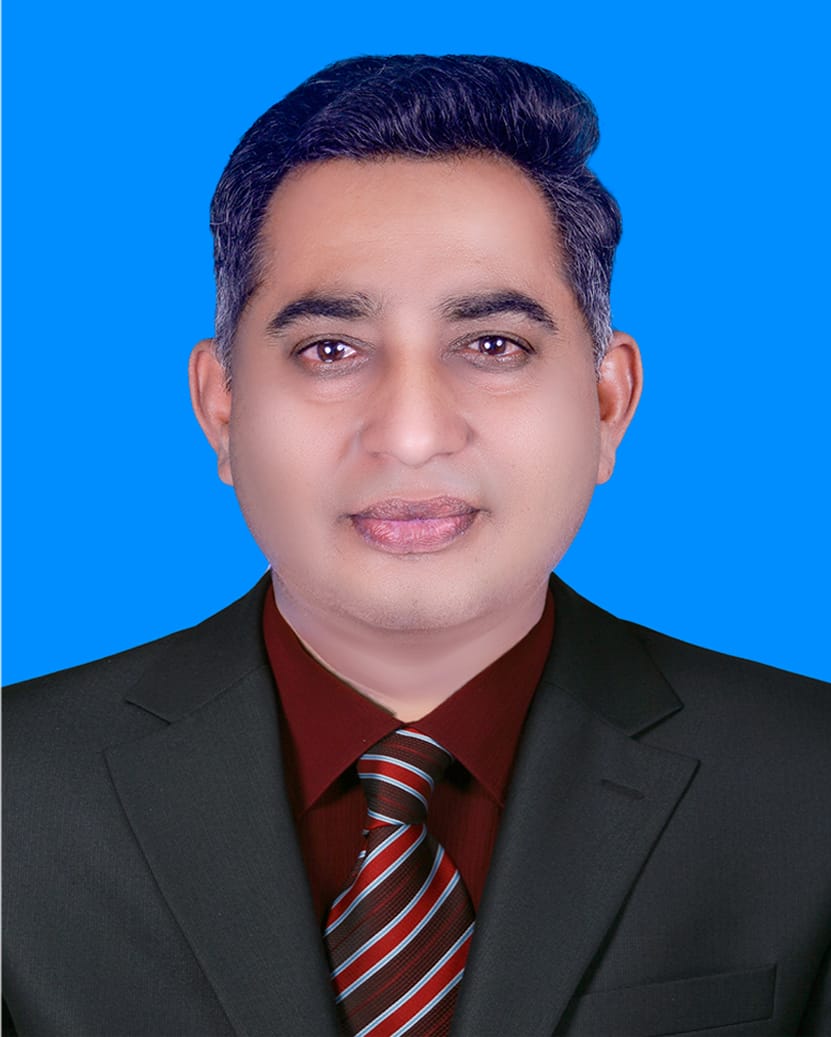
The writer, who holds an M.Phil in English Literature, is an educationist, crime analyst, and youth commentator affiliated with PML-N.